Sid Standard, 1931–2003
A life long lover of the bike and an inspiration to thousands.
Sid lived for cycling, and he passed that love of the bike to countless people, as both the leader of CTC Junior Runs for over 40 years in Leicester and Nottingham, as President of the Notts DA of the CTC and President of Beeston Road Club.
His Sunday Rides are legendary, teaching thousands that ’It’s All Rideable’.
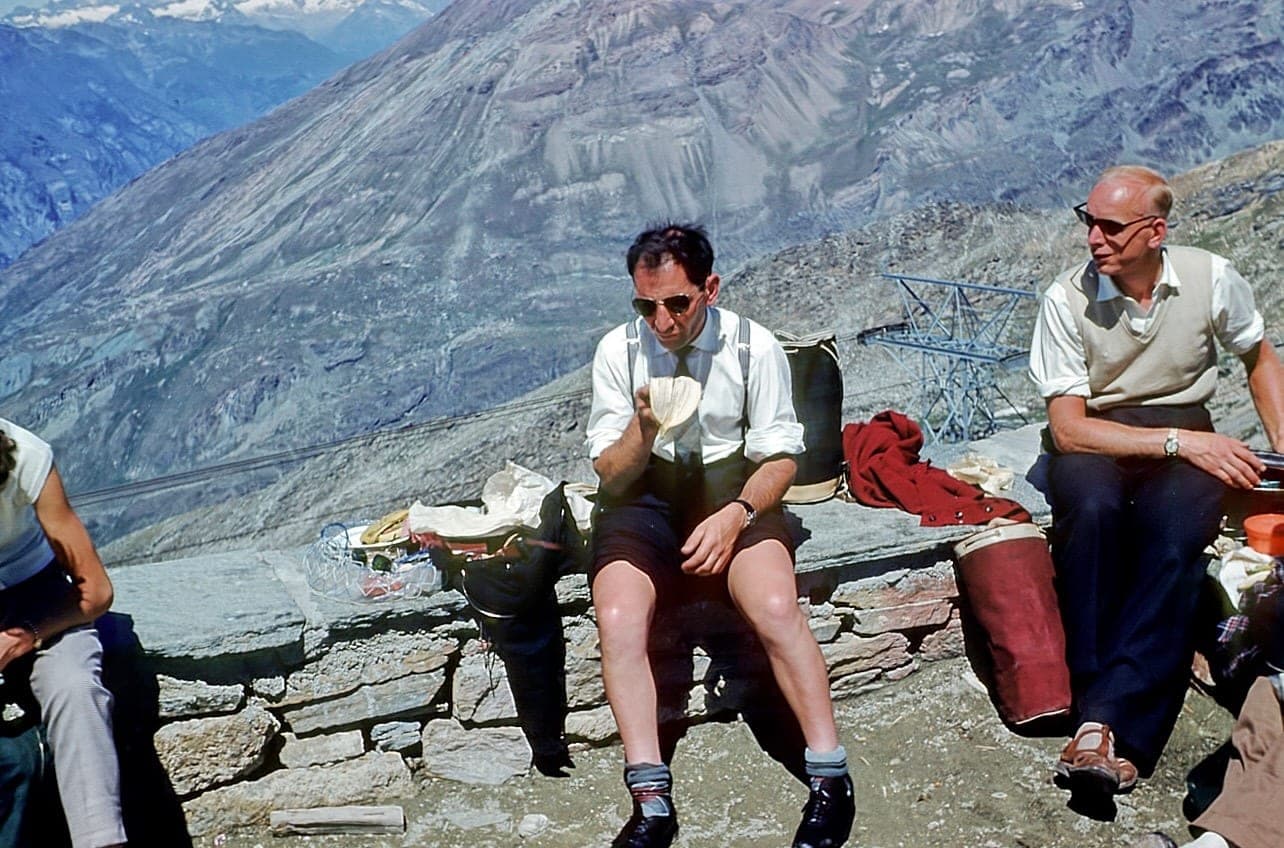
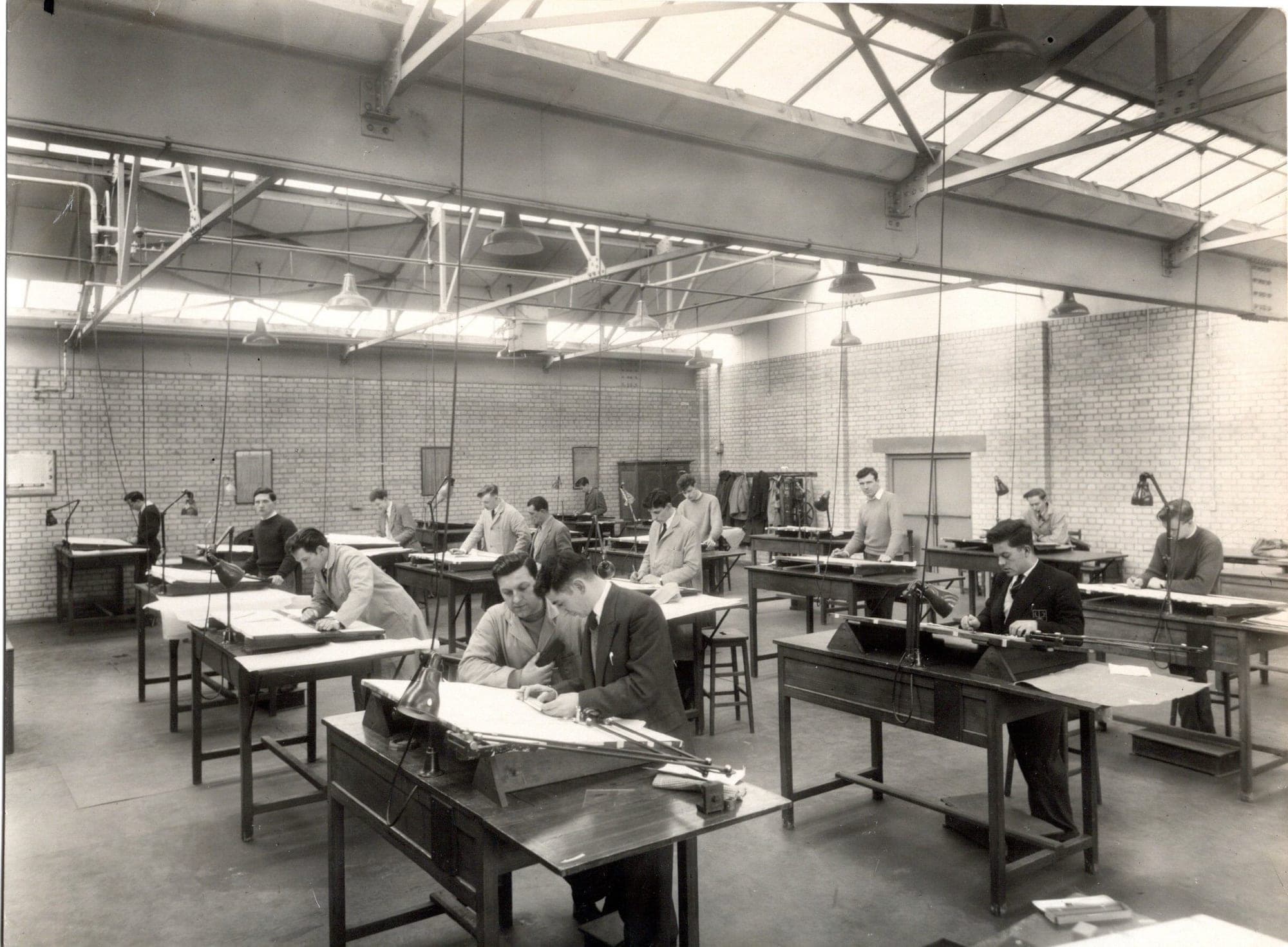
Sid was born in Liverpool in 1931 and came to Nottingham via Leicester, for work. He was a senior draughtsman at Raleigh’s headquarters in the city.
In 1975 he left Raleigh to pursue his dream, to run his own bike shop, taking over from Arthur Panter and Joe Ames, the bike shop on Chilwell High Road in Beeston, Nottingham.
He rode a bike long before he sold bicycles, starting cycling in his teens to escape the war-ravaged City of Liverpool, escaping into the North Wales hills that he would continue to visit throughout his life, and where he took hundreds of children to share the beauty of the Welsh hills.
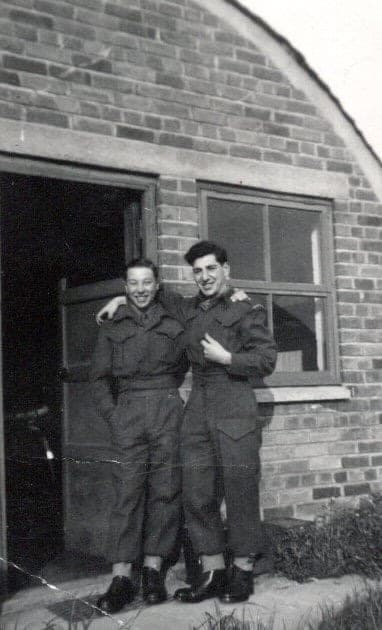
Sid bought the shop on Chilwell Road in 1975 and ran it until he retired in 2000. The first Superbe sheet is dated 1981, and by the time the last one was written in 1999, there were 287 of them.
Despite numerous requests, neither Pete nor Sid would build frames for others to put their names on; they considered each frame a piece of art, and each one would last a lifetime.
Most of the frames were brazed by Pete Riches rather than by Sid himself, in the room behind the shop. How the frames were built is its own page, and the register is every sheet that survives.
From the 1970s until his death in 2003, Sid led the Notts DA CTC junior section rides every Sunday from the shop in Beeston, and it is these, more than the shop and more than the frames, that people write to say they remember.
Seamus Kelly, who rode with Sid in the 1970s, described dozens of children turning out every Sunday to learn “not just how to ride their bikes properly, but about nature, mates, laughter, love, naughtiness and sheer lust for life”.
Helen Gutteridge, a future national cycling champion on the road, and one of many female riders on those Sunday rides, puts it simply: he was “practising diversity and inclusion long before it became all the rage”.
Simon Burney was fourteen when he started going out with ‘The Juniors’, describes Sid as providing “a once in a lifetime learning about something we ended up doing for the rest of our lives”.
Several of those children went a long way with it.
- Simon Burney
- professional cyclocross rider, later a UCI consultant
- Bryan Steel
- Olympic team pursuit medallist, bronze in 2000 and silver in 2004
- Theresa Dark
- GB team, 1988 Women's Tour de France
- Helen Gutteridge
- national circuit race champion, 2003
- Paul Wain
- team pursuit squad, 1986 Commonwealth Games and the 1988 Olympics
- Seamus Kelly
- twice winner of the Monsal hill climb
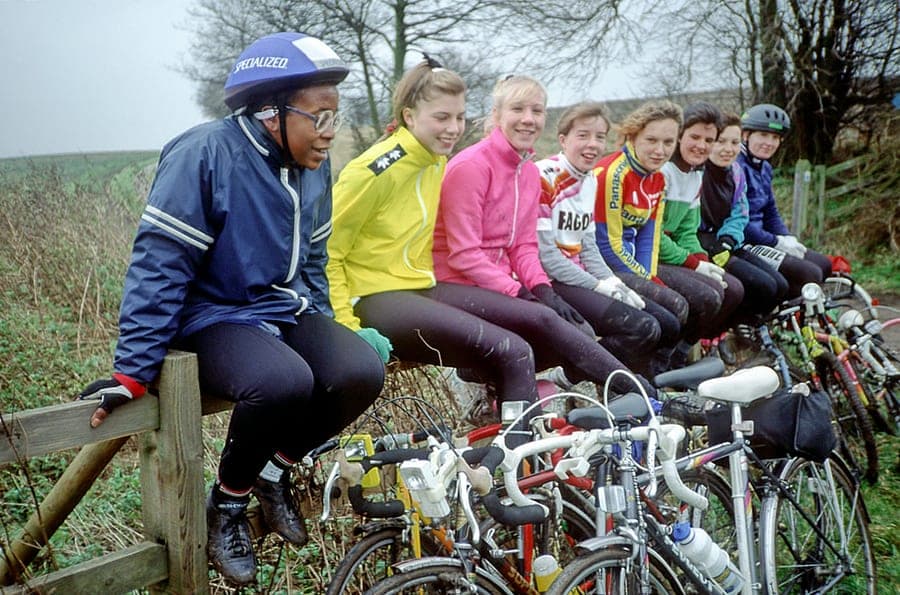
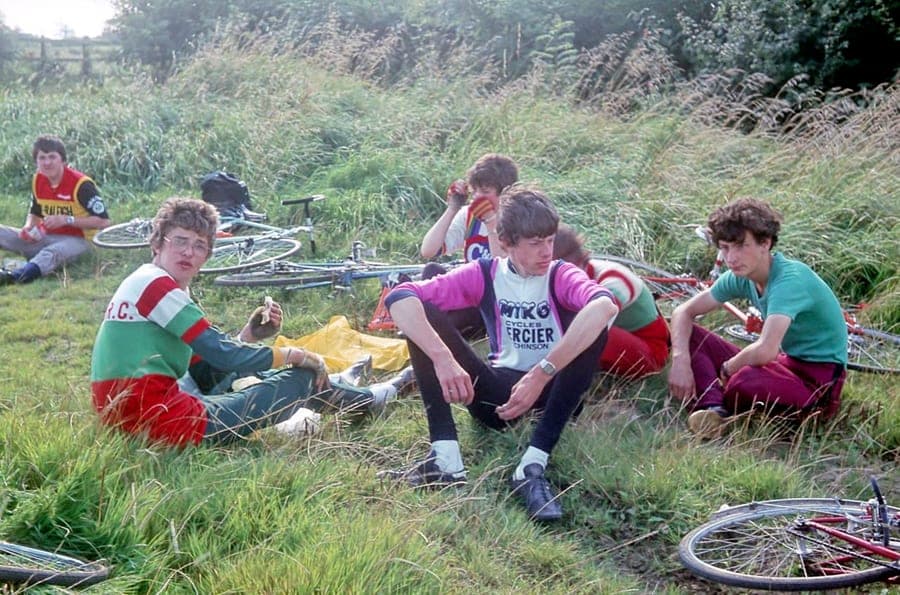
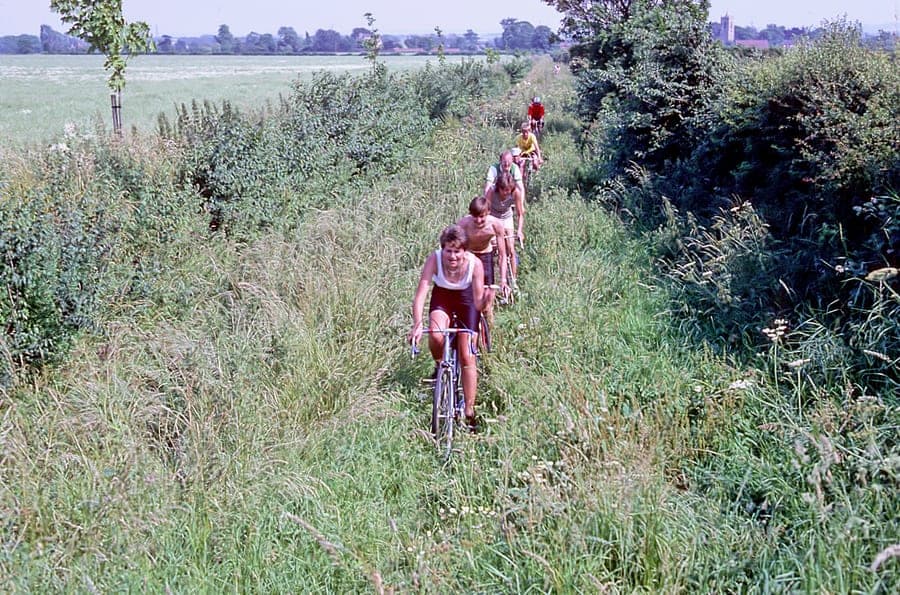
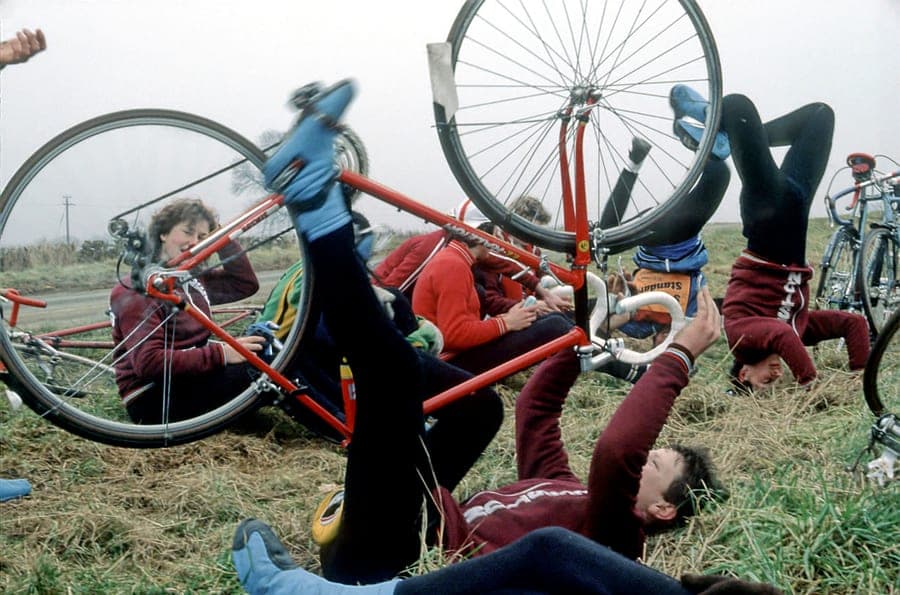
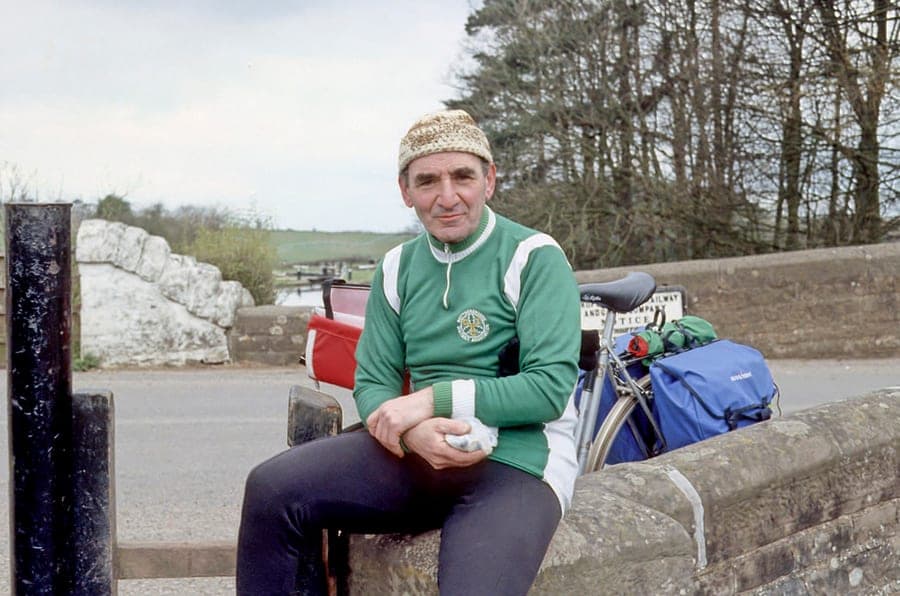
Bryan Steel, who won his Olympic medals on the track, is the one who says the point was never the racing: Sid “wasn’t about racing or winning, he was about just riding your bike, the great outdoors, finding little cafes, falling in love with the sport”.
Sid’s own three children rode too; his son David raced for Great Britain as a junior, against Lance Armstrong among others, at the 1989 world championships.
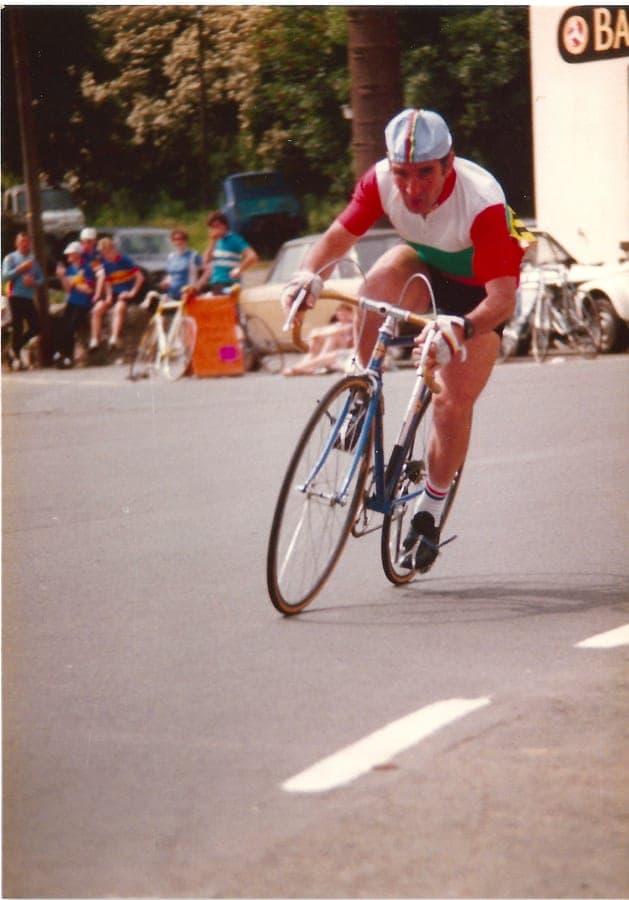
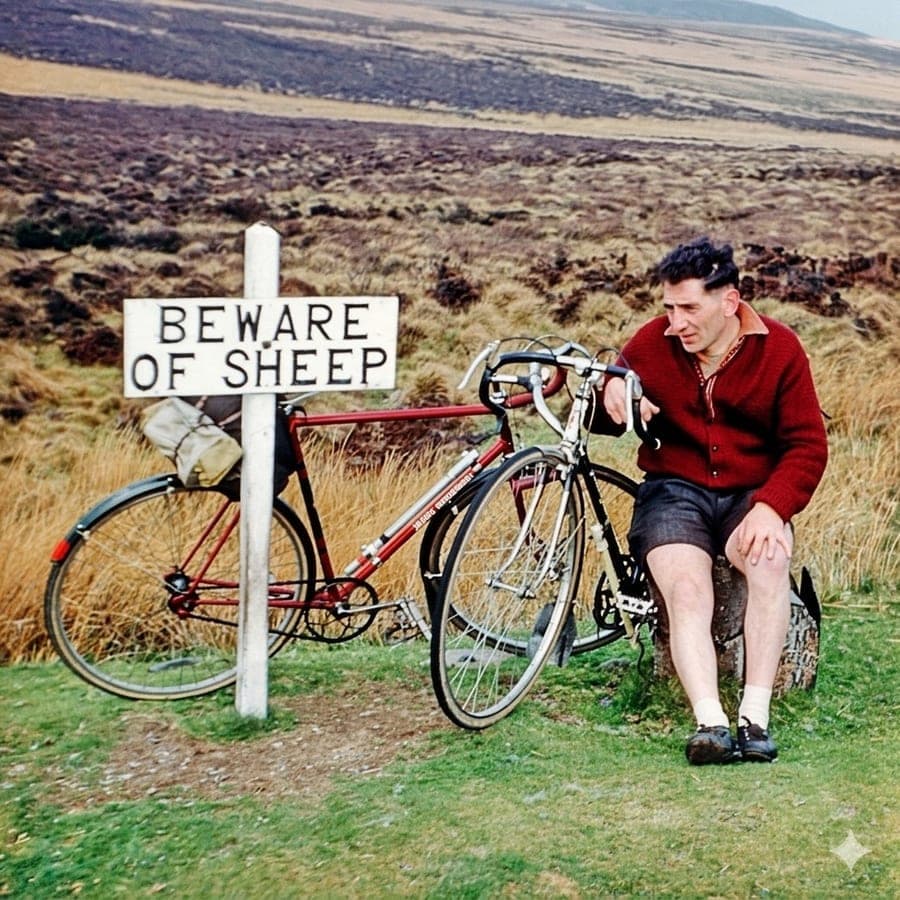
“It’s all rideable”
Sid died in 2003, three years after retiring, while he was out on his bike.
Beeston and Nottingham has continued to remember him. There is a blue plaque on the pillar between the shop windows, carrying his famous line: “It’s all rideable”.
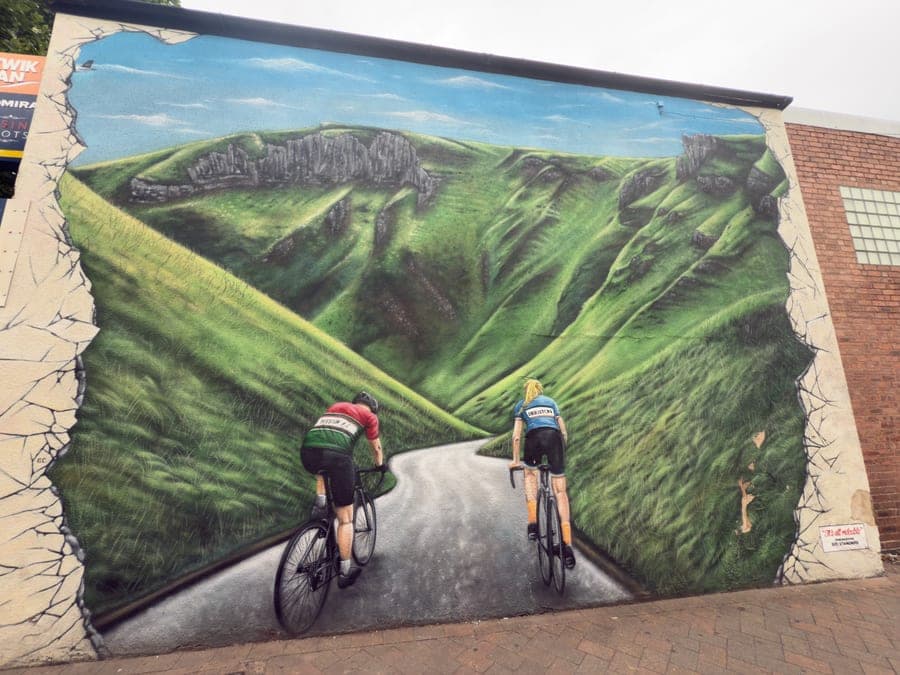
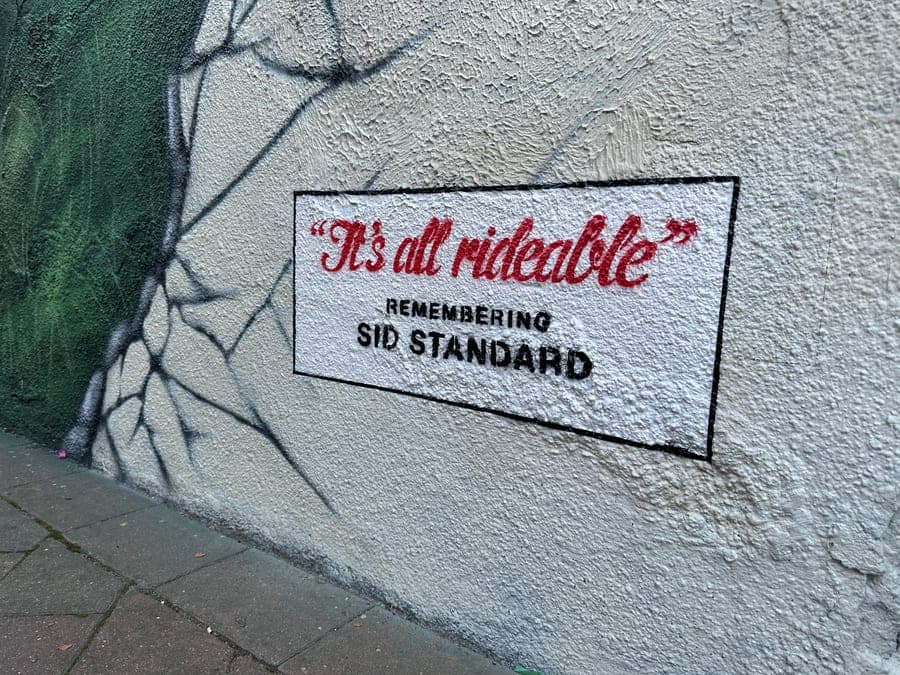
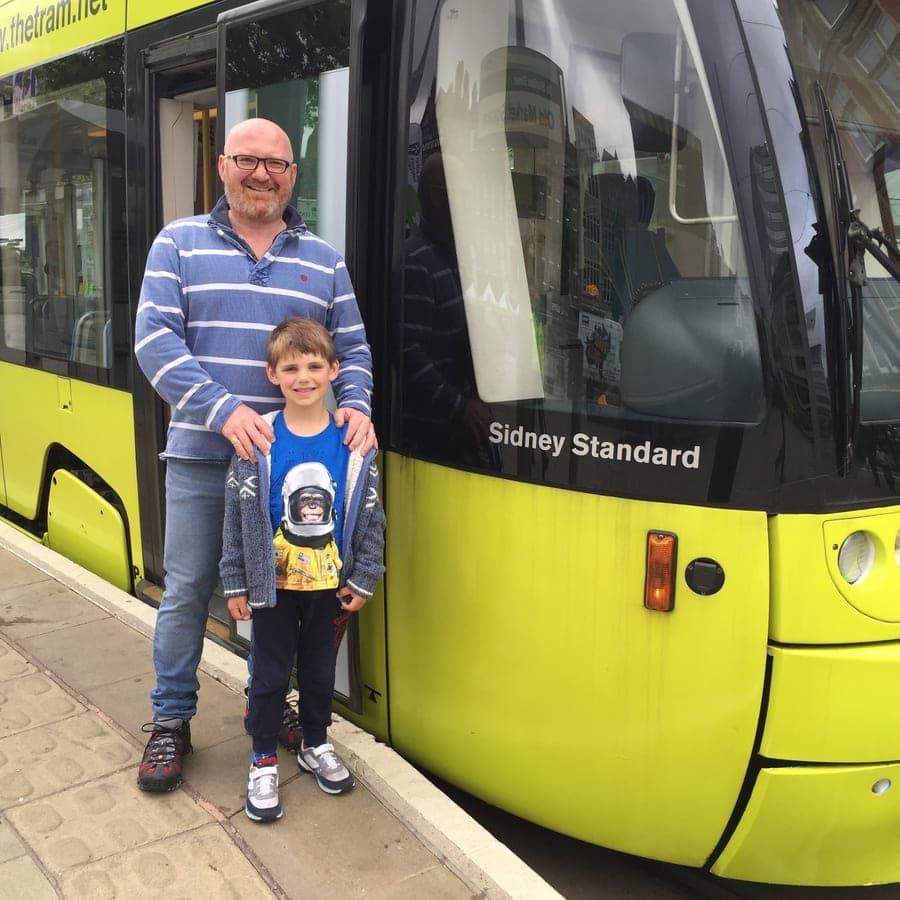
One of Nottingham’s trams (209) runs under his name after he was voted a community hero in 2005 by readers of the Nottingham Post, two years after he died. In 2022, nineteen years after his death, a mural went up on a wall in Beeston Town Centre dedicated to Sid, opening the brickwork onto a Derbyshire dale with two riders in Beeston Road Club and Beeston Cycling Club colours heading up into it, with his immortal line “It’s all rideable” in the bottom right corner.
Almost everything on this page about the Sunday rides comes from Trevor Ward’s article for Cyclist, published in February 2023, which found the riders and asked them what they remembered. It is worth reading in full.